
Rapid Asteroid Response Mechanism
RARM (Rapid Asteroid Response Mechanism) is an in-development space mission program, focused on building a new generation of standardized probes, interceptors, and software designed around planetary defense.
About
The idea behind it is simple. If a potentially hazardous asteroid is discovered, we should already have a working spacecraft that can assess it instead of starting to design and build one from zero. That is the reason why RARM is being developed around a family of probes and interceptors that can be prepared in advance, assigned to a target when needed, and sent out to observe it, deflect it, or help change its trajectory.
Our Goal
The goal is to create a family of highly maneuverable interceptors capable of reaching a wide range of asteroid populations within an approximately 7 AU travel-distance class.
These spacecraft are intended to support both observation and future deflection missions, giving us a faster way to understand a threat and more time to decide what to do about it.
Why It Matters
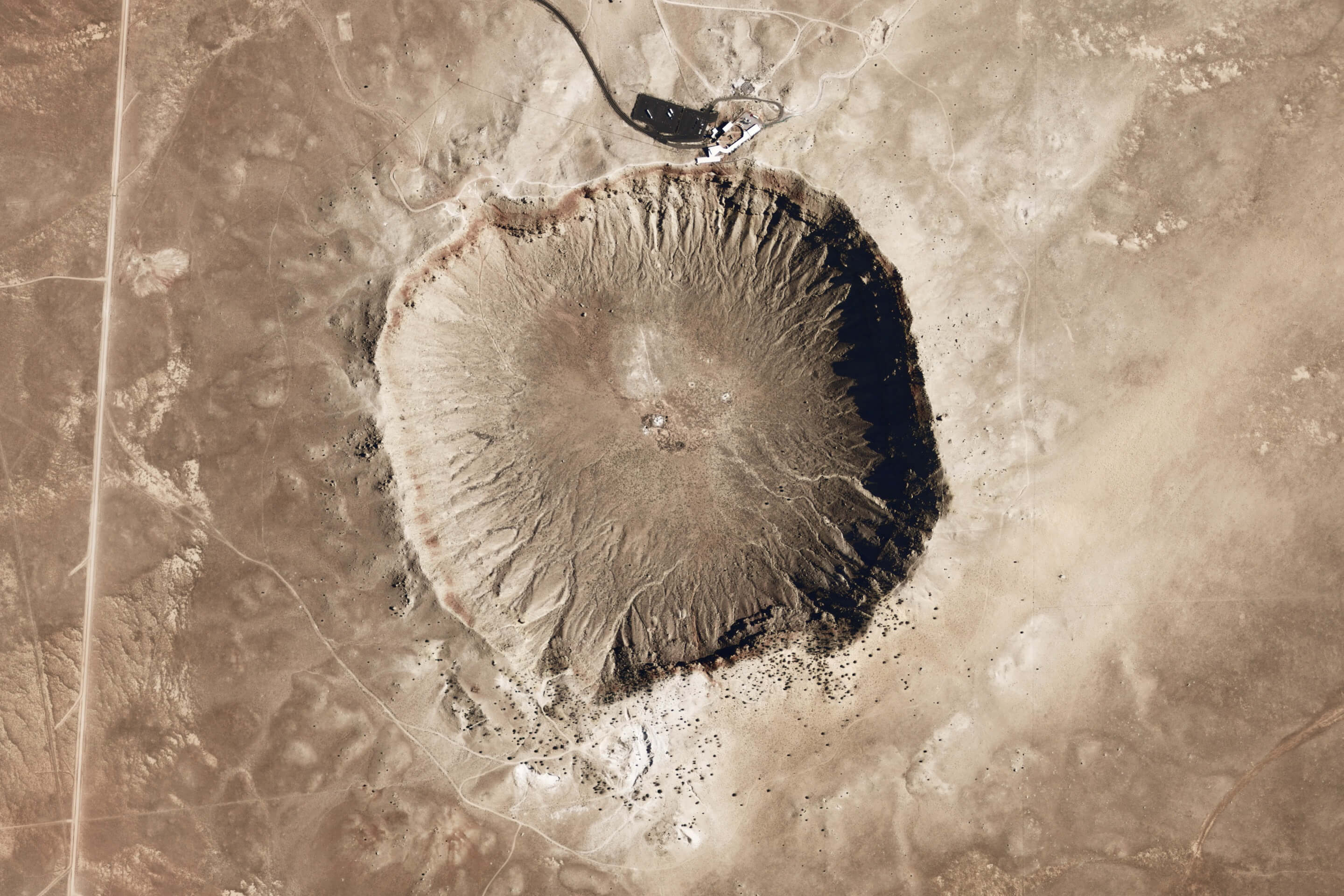
Asteroid impacts are rare, but a large enough impact could have consequences on a global scale. The problem is that we may not always get much warning.
A potentially hazardous asteroid can be discovered within a timeframe much shorter than the normal development cycle of a deep-space mission. By the time a conventional spacecraft is designed, built, tested, and ready to launch, a significant part of that warning time may already be gone.
SERAPHIM
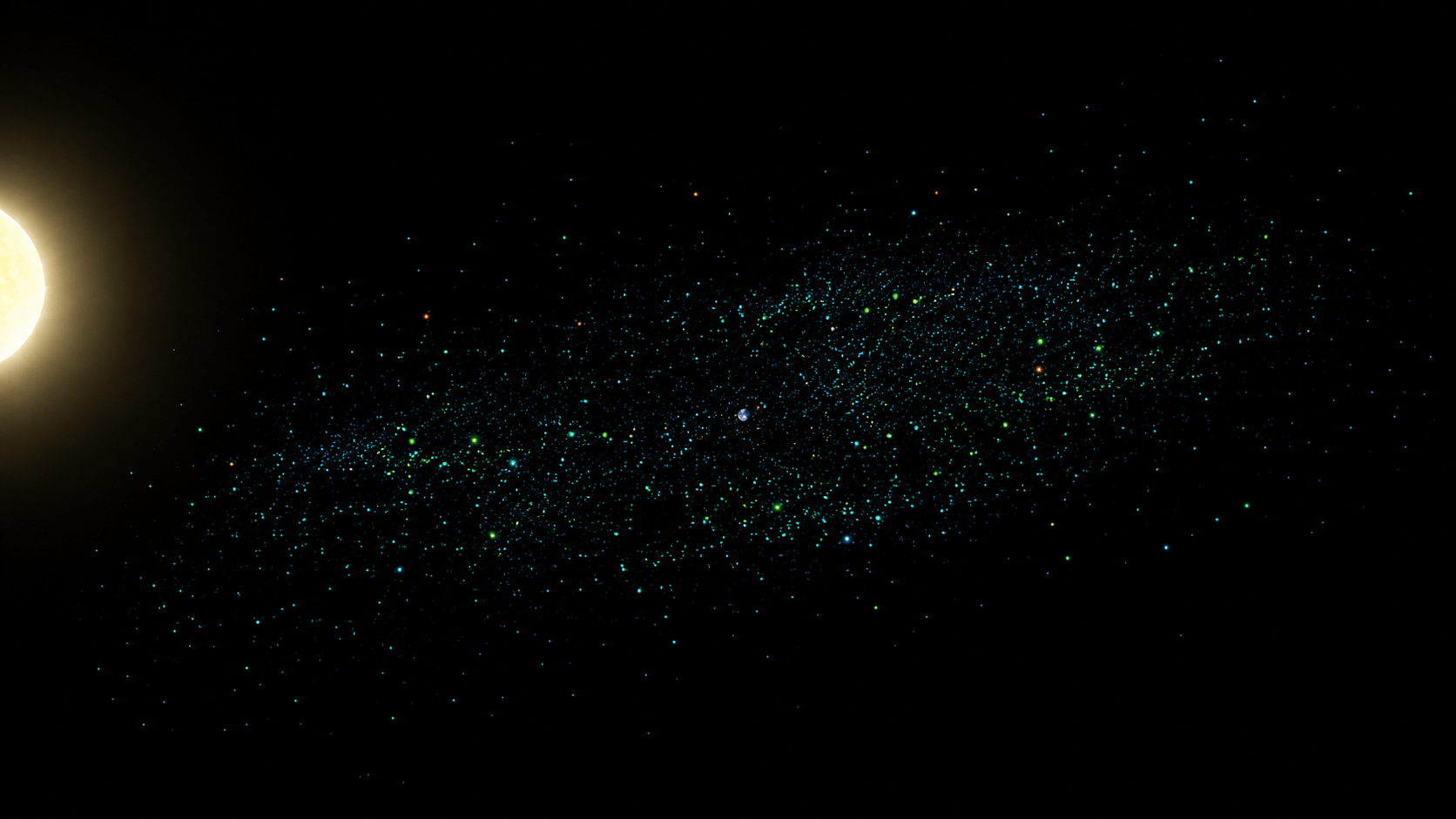
Currently in developmentSoftware specialized in watching, analyzing, and calculating the complex orbital processes that determine where an asteroid is heading and how its trajectory may change over time.
The goal is to make those predictions as accurate as possible and push the warning horizon further into the future. Because the earlier we understand that an asteroid could become a problem, the more options we have to prevent it from becoming one.
Mission Critical Assets
SAO
Pre-Phase A ProposalSAO (Small Asteroid Orbiter) is the first-generation space probe developed for rapid asteroid observation missions within approximatelly 1.5 AU heliocentric distance-travel class. With an estimated wet mass of around 295 kg, it sits in the mini-probe category with compact design supporting flexible launch and rideshare options while still carrying meaningful scientific capability to determine global asteroid assesment.
Learn moreSAO-E
Design PhaseBuilding on baseline SAO Platform the SAO-E (Extended version) is modified to be able to reach asteroid population within 3 AU travel-distance class.
Main difference is increased range, system endurance, and payload capability for longer surveying and characterization campaigns.
SAO-D
Upcoming...SAO-D (Deep-Space) is the highest-endurance version of SAO family probes, intended for long-duration proximity operations, orbital observation, and the most detailed characterization missions within the 7 AU distance-travel class.
SPEAR
Upcoming...SPEAR (Strategic Planetary Emergency Asteroid Response) is envisioned as the future of the asteroid deflection program, using two separate thermonuclear-equipped probes that remain physically isolated during launch and transit to prevent unintended interaction. The probes would only be brought together once they reach a predefined safe distance from Earth, allowing the system to be configured for the final interception phase.
Get in touch
Tell us who you are and what you need. Every enquiry is routed to the part of the programme that can actually answer it.